The Belief-Desire-Intention Model Explained
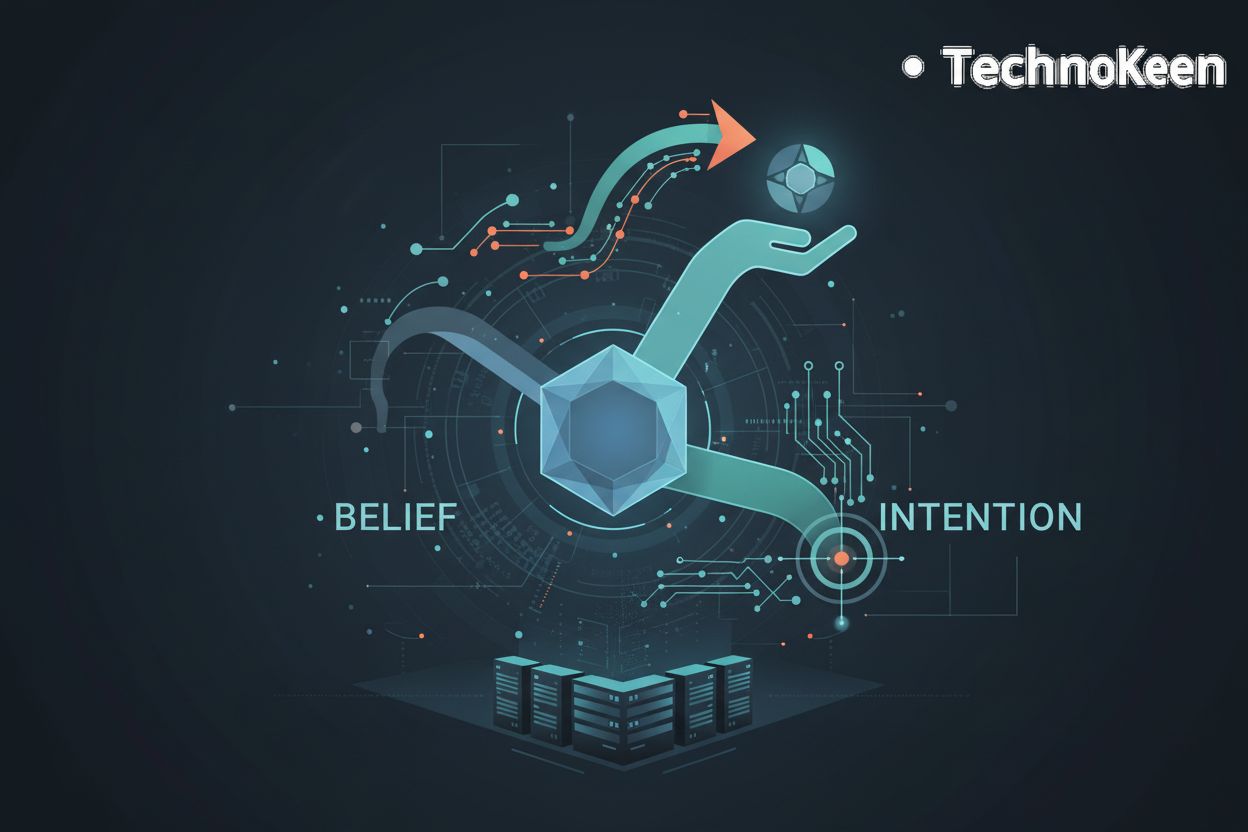
TL;DR
- This article covers the core components of the BDI cognitive architecture and how it transforms ai agents from simple reactive tools into proactive business partners. You will learn about belief sets, goal adoption, and intention persistence while exploring real-world applications in logistics and customer service automation. We also dive into how this model ensures better security, governance, and scalability for enterprise-grade ai deployments.
Introduction to the BDI Cognitive Framework
Ever wonder why your "smart" automation sometimes feels like it's just hitting its head against a wall? It's usually because most ai is just reacting—it doesn't actually have a "mind" for the job.
The Belief-Desire-Intention (BDI) framework changes that by giving agents a way to actually reason. It's based on how we humans tackle problems, especially when things get messy. (The beauty and reality of being a messy human - Medium)
- Beliefs: This is the agent's world view. In a supply chain, this isn't just a list of stock; it's the agent’s understanding that a shipment might be late because of a storm.
- Desires: These are the big goals. A retail bot might "desire" to keep customers happy while also wanting to hit a specific profit margin.
- Intentions: This is the commitment. Once the bot decides to offer a discount to a frustrated user, it sticks to that plan until it works or becomes impossible.

Most systems fail because they can't handle stale data. As noted in The Belief-Desire-Intention Model Explained, a logistics firm lost $10M because their agents couldn't tell the difference between fresh and old info.
BDI agents are different because they use a "deliberation cycle" to constantly check if their plans still make sense. If the world changes, they don't just crash; they pivot.
Next, we'll dig into the "Three Pillars" to see how they actually work under the hood.
The Three Pillars of BDI Architecture
To understand how this works technically, we have to look at the three core components that make up an agent's "brain." Unlike basic scripts, BDI uses these pillars to manage uncertainty.
Beliefs aren't just a clean sql database; they’re the agent's subjective view of the world. As noted on Wikipedia, beliefs can be wrong or outdated, which is why bdi is so powerful for things like autonomous vehicles.
- Confidence Levels: An ai might "believe" a pedestrian is crossing with only 70% certainty and it has to decide if that's enough to slam the brakes.
- Dynamic Updates: When new data hits, the agent doesn't just overwrite everything. It revises its world view based on what it already knows.
Desires are the big-picture goals, like "keep costs low" or "ensure 100% uptime." In enterprise workflows, these often clash. A finance bot might desire to pay invoices early for discounts but also desire to keep cash on hand for emergencies.
Unlike simple code, desires don't have to be consistent. You can want two opposite things at once; the "deliberation" phase is what eventually picks the winner.
Intentions are the desires the agent has actually committed to. According to the bdi software model, intentions have "persistence." If a logistics bot decides to reroute a truck, it doesn't quit just because it hits a red light.
- Reconsideration Triggers: The bot only re-evaluates its plan if its beliefs change significantly—like if the road is actually closed, not just busy.
- Commitment: This prevents "plan-hopping," which is what makes most basic ai so jittery and inefficient.
The BOID Extension: Sometimes, just having desires isn't enough for a business. That's where the BOID (Belief-Desire-Intention-Obligation) model comes in. It adds "Obligations" to the architecture—these are basically the "must-do" rules or legal constraints that override an agent's personal desires. It's like a digital conscience that keeps the bot from breaking company policy just to hit a goal.
Next, we're gonna look at the "Deliberation Cycle" to see how these pillars talk to each other in real-time.
The BDI Execution Cycle and Orchestration
The BDI execution cycle is what actually turns those guesses into a reliable "deliberation" process so your agents don't just act—they think through the consequences first.
It’s basically a loop that never stops, constantly checking if the world still looks like the agent thinks it does. It’s all about balancing the time spent "thinking" versus actually "doing."
- Option Generation: The agent looks at its current beliefs and event queue to see what's possible right now.
- Filtering: It narrows down those options by checking them against what it’s already committed to (intentions).
- Execution & Monitoring: It starts a plan but keeps its "eyes" open for external events that might make the plan impossible.

Implementing these high-frequency deliberation cycles is tough on infra. That’s where technokeens comes in. Think of technokeens as an orchestration framework—it’s the middleware that handles the heavy lifting of agentic workflows, making sure the api calls and logic loops don't lag when the agent is trying to make a split-second decision.
Next, we’ll see how we keep these "thinking" agents secure and governed within a big company.
Enterprise Implementation: Security and Governance
Ever wonder who's actually responsible when an ai agent makes a mess of things? In the enterprise world, you can't just let bots run wild—you need a way to lock them down and audit every single move they make.
When an agent acts on behalf of a user, it needs a rock-solid identity. We use Identity and Access Management (IAM) to make sure a finance bot isn't accidentally "deliberating" its way into the payroll database.
- Agent Authentication: Every bdi agent gets its own service account or certificate. This isn't just for show; it's how we track which "intention" led to which api call.
- RBAC vs ABAC: Most systems use Role-Based Access Control (RBAC), but for bdi, Attribute-Based Access Control (ABAC) is better. It lets you set policies based on the agent's current "beliefs"—like allowing a healthcare bot to access patient records only if it believes there's an active emergency.
As we mentioned with the BOID extension in the architecture section, "Obligations" are the key to governance. They ensure the agent follows social or legal rules even if its desires say otherwise. If a bot drops a plan, the audit trail needs to capture the specific belief change or obligation that triggered that decision.

Explainability is huge for things like GDPR. If a retail agent denies a discount, a human admin has to be able to trace that back through the deliberation cycle. Using a Zero Trust model for agent-to-agent talk ensures that even if one bot gets compromised, the whole swarm doesn't go down.
Next, we'll wrap things up by looking at how these agents perform in the real world.
Real World Use Cases and Performance Optimization
So, we’ve seen the theory, but how does bdi actually hold up when the "you-know-what" hits the fan? Honestly, it’s all about not let the agent get paralyzed by too much data.
In the real world, things break. Remember that $10M logistics loss from the intro? That happened because of stale data. Modern fleets use bdi to avoid that by balancing "desires" like fuel saving vs "intentions" like hitting a 2-hour delivery window.
- Dynamic Rerouting: If a bridge is out, the agent doesn't just stop. It updates its beliefs and finds a new path instantly.
- Resource Swapping: If a truck breaks down, agents negotiate among themselves to hand off high-priority packages.
Performance optimization usually means tuning the "reconsideration" rate. If you check your plans too often, you waste cpu; too little, and you're driving off a cliff.
- Blind Commitment: The agent ignores all new info until the current task is done. This is fast but risky if the world changes.
- Cautious Commitment: The agent checks its beliefs at specific intervals (e.g., every 500ms). This is better for high-stakes environments like power grids where sensors fail constantly.
- Bold Commitment: The agent only re-plans if a "stop-everything" event occurs, like a hardware failure.

Performance is always a trade-off. But with the right reconsideration strategy, bdi agents can handle messy, real-world data without losing their minds—or your money.