AI Agents and Their Role in Controlling IoT Devices
TL;DR
- This article covers how ai agents are moving beyond simple chatbots to become the brains behind physical iot hardware. You will learn about real-time decision making at the edge, orchestration of complex smart systems, and the security frameworks needed to keep these connected devices safe from threats while automating business operations.
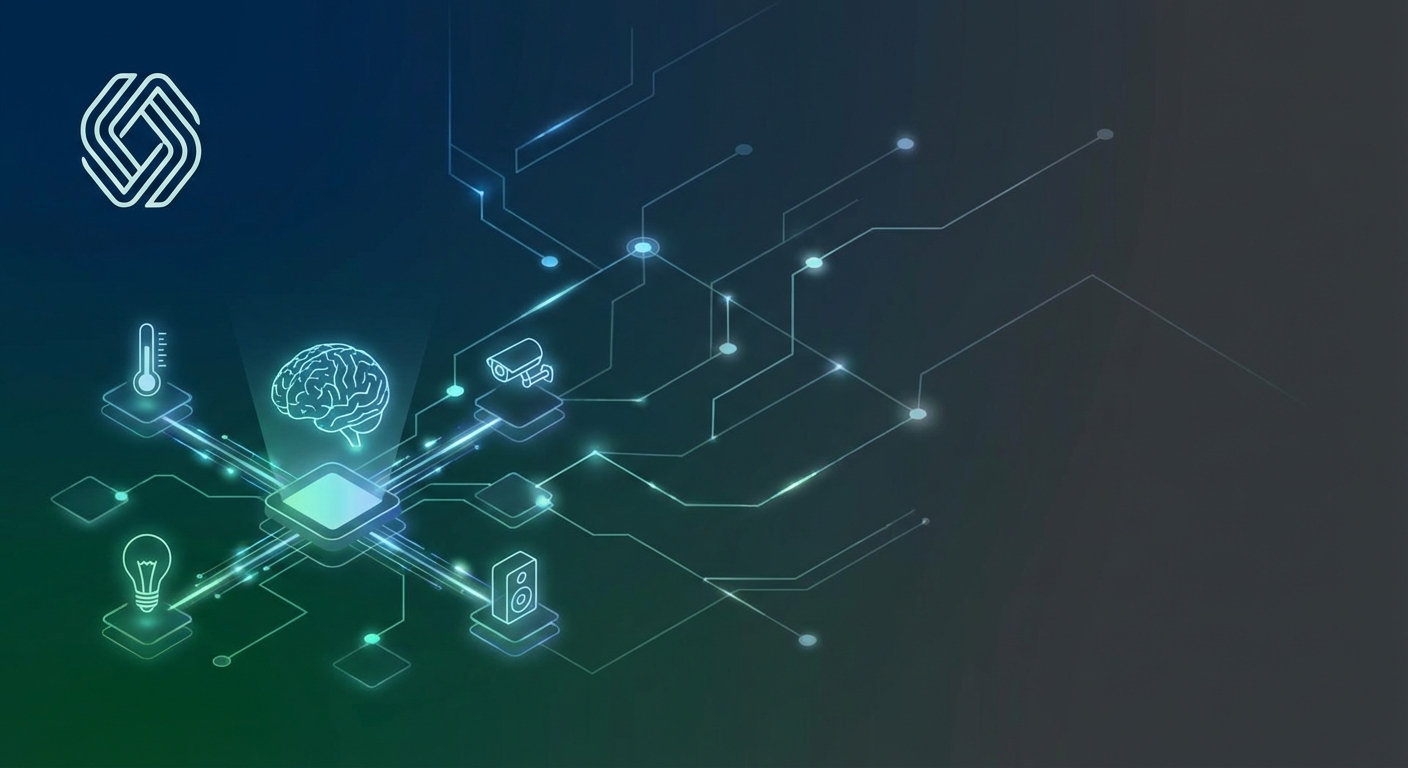
The convergence of ai agents and iot hardware
Ever feel like your smart home or office is actually just a bunch of "dumb" devices that wait for you to do everything? It’s frustrating when "smart" tech just sits there until you open an app.
The big shift happening right now—especially in major enterprise environments—is moving away from simple sensors that just report data. (US Data Centers Face Growing Resistance | World Business Watch) Old iot setups are reactive; they tell you the room is hot, but you have to fix it. Modern ai agents are changing this by actually interpreting that data to take physical action without you lifting a finger.
- Healthcare: Wearables don't just track heart rates anymore; ai agents analyze the rhythm and can alert medical staff before a patient even feels a symptom.
- Retail: Shelf sensors talk to agents that don't just "alert" someone—they literally place the restock order with the vendor themselves.
- Manufacturing: These systems monitor machine vibration and can slow down a motor to prevent a blowout before the human operator even sees a warning light.

You can't wait for the cloud when a machine is about to overheat. That is why edge computing is so huge for ai agents. By processing data on-site, these agents keep working even if the internet goes down—which is a literal lifesaver during extreme weather events or power grid failures.
In practice, it’s all about split-second decisions on the factory floor or in a hospital. If the api has lag, the benefit is gone. Furthermore, once these agents can think locally, the next step is getting them to talk to each other.
Orchestrating multi-agent systems for smart environments
Ever tried getting two different "smart" systems to work together without losing your mind? It's like trying to host a dinner party where nobody speaks the same language.
When you move beyond one gadget and start talking about multi-agent systems, the goal is getting these ai agents to actually cooperate. In a smart office, you don't just want the lights to turn on; you want the hvac agent to check with the occupancy sensor agent, while the security agent confirms who's actually in the room.
- Smart Building Workflows: Agents can "federate," meaning they share enough info to make a joint decision. If a conference room gets too stuffy, the air quality agent tells the hvac agent to kick it up, but only if the calendar agent says there's a meeting happening.
- Retail Coordination: Think about a store where one agent tracks foot traffic and another manages digital signage. If the "traffic agent" sees a crowd near the electronics, it can ping the "marketing agent" to push a specific deal to the screens right there.
- Scaling with Federation: You can't just keep adding more code to one "brain" because it gets too slow. Instead, you use federation. This is where a central orchestrator sets high-level goals—like "keep energy low"—but doesn't process every tiny sensor blip. The small, specialized agents handle the low-level work locally and only report the important stuff back.

Managing these things is a bit of a headache as you scale. You have to "provision" them—which is just a fancy way of saying setting them up with the right permissions—and then make sure they don't go rogue when a device gets replaced.
As mentioned earlier, keeping things local at the edge is huge for speed. But it also means you gotta handle version control for the ai models sitting on those sensors. If you update the model for a smart pump in a manufacturing plant, you need to be sure it doesn't break the api connection to the rest of the mesh.
Ultimately, keeping an eye on performance and resource drain is key so your "smart" environment doesn't just crash because an agent got too hungry for memory. Once you've got them talking, the next big hurdle is making sure nobody can hack into the conversation.
Security and IAM for autonomous iot agents
So, you’ve got these ai agents running around your iot network, flipping switches and reading sensors. But how do you actually know it’s your agent doing the work and not some hacker who found a backdoor into your smart warehouse?
Managing "identities" for things that aren't human is a total trip. You can't just give a smart hvac sensor a username and password, right? Instead, we use service accounts and digital certificates.
In a serious enterprise setup, every ai agent needs its own "passport." We usually handle this with mTLS (mutual TLS) where both the agent and the iot device have to prove who they are before a single bit of data moves.
- Zero Trust is the goal: Never trust a device just because it's on your office wifi. Every api call should require a fresh token.
- Privileged Access: Just like you wouldn't give a junior intern the keys to the server room, don't give a lighting agent permission to access the security camera feed.
- Certificate Lifecycle: These digital IDs expire. If you don't automate the renewal, your whole "smart" building might just go dark because a certificate lapsed.

While we want agents to be autonomous—like the retail agent mentioned earlier that places restock orders—this autonomy comes with risks. If that same agent malfunctions and orders 10,000 extra toaster ovens, you’ve got a problem. This is why you need Guardrails and Thresholds. You set a limit so an agent can't spend more than $500 without a human clicking "approve."
- Immutable Logs: Every action an agent takes on physical hardware must be unchangeable. If it adjusted the thermostat, there should be a timestamped record that can't be deleted.
- Human Override: In practice, there has to be a "big red button." If the ai starts acting weird, a human needs to be able to kill the process instantly without digging through code.
- Compliance: If you're in healthcare, those iot logs better be hipaa compliant. You can't have patient vitals leaking through an insecure agent-to-device api.
Industry use cases and business impact
Seeing these ai agents move from just "chatbots" to actually running physical hardware is a trip. It's one thing to have a script tell you a truck is late, but it's a whole other world when the agent sees the engine heat rising and reroutes the driver before a breakdown even happens.
In the world of fleet management, downtime is basically a swear word. ai agents are being hooked up to sensors on brakes and tires to catch issues early. Instead of just "alerting" someone, they can actually:
- Predict failures: Analyze vibration patterns in motors to spot a blowout days before it happens.
- Automate the fix: Ping the warehouse to check if a spare part is in stock and schedule the shop time.
- Optimize routes: If a refrigerated truck’s cooling unit starts struggling, the agent can prioritize that delivery to save the cargo.
According to Mindcore, large hotel chains have already cut energy use by 15-20% by letting ai agents manage hvac and lighting locally. It’s not just about turning lights off; it’s about the hvac agent talking to the occupancy sensors to realize a room is empty and drifting the temp.

Furthermore, the business impact here is really about moving from "fix it when it breaks" to "it never broke in the first place." Next up, we gotta look at how this all actually scales across a whole enterprise without becoming a total mess.
Future proofing your ai-iot strategy
So, you've got your agents talking to your gear, but what happens when you need to scale? Future-proofing isn't just about buying the latest sensors. It's about making sure your billing, maintenance, and customer data aren't stuck in silos.
- Cross-platform mesh: Use open frameworks so your ai doesn't get locked into one vendor.
- Unified Data Layers: To bridge the gap between iot hardware and your business side, you need a Data Lake or Middleware layer. This acts as a bridge so your operational data (like machine heat) can actually talk to your erp or crm systems for automatic billing and scheduling.
- Hardware readiness: Keep your api layers flexible for the next wave of specialized ai chips.

Ultimately, the synergy between ai agents and iot is about creating a system that thinks and acts on its own, but stays within the rules you set. The best way to move forward is to start with a small pilot program—like one warehouse or one floor of an office—and focus on getting your data middleware right before you try to automate everything at once. Stay agile, and keep the human in the loop for the big decisions.